

 See My Latest Article on HelloNation
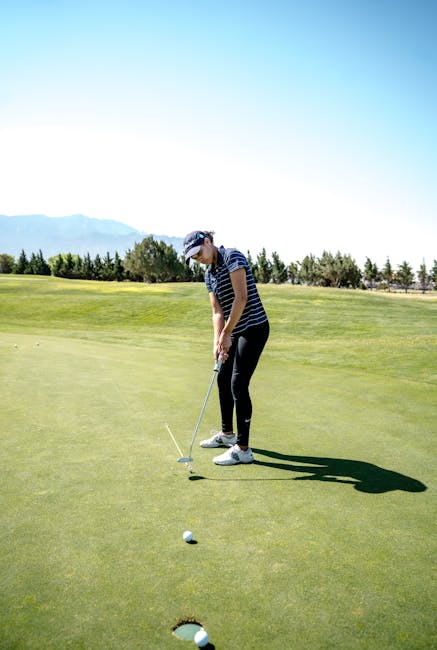
Why Does Core Strength Matter for Golfers in Mechanicsburg, PA?
Core strength provides a foundation for a more powerful, safe, and consistent golf swing. For residents in Mechanicsburg, seasonal changes and varying terrain at local golf courses make core stability especially relevant — the body needs to remain stable whether the ground is firm from a mild spring or soft after rain. Solid core muscles help golfers generate clubhead speed, maintain posture through a round, and reduce risk of strain or injury in the lower back.
A strong midsection isn’t just about having visible abs; it comes from deep muscles around the trunk and hips, which are responsible for twisting, bending, and bracing during the golf swing. Improving these muscles supports both beginners learning their first proper swing and experienced players working to refine technique, particularly as rounds in Mechanicsburg may involve walking uneven fairways or adjusting to wet grass after overnight storms.
What Makes a Core Exercise Especially Useful for Golf?
Golf uses rotational power, not just straight-line movement. Exercises that mimic this type of twisting or that challenge stability are ideal for the sport. Activities that build both mobility — so the torso can rotate fully — and stability — so rotation does not cause poor posture or injury — are most useful.
Golf swings also require endurance. A typical round on Mechanicsburg courses takes four hours or more, so core muscles need to stay active for many repetitions, not just for a quick exertion. Moves that incorporate balance or resist twisting forces help build both strength and control needed for better ball striking and less fatigue across an entire round.
Which Core Exercises Should Golfers in Mechanicsburg Prioritize?
Not every core workout benefits the golf swing equally. The following exercises give the best combination of rotational strength, balance, and trunk endurance, and are practical for local conditions — requiring minimal equipment and space, making them well-suited for home routines during Mechanicsburg’s colder months or crowded schedules:
Plank Variations: Building Endurance and Stability
A simple plank (holding the body in a straight line, supported on forearms and toes) is a safe, accessible exercise to start with. For those interested in golf, adding variations makes it even more relevant:
- Side Planks: These target the oblique muscles running along the side of the torso. They play a critical role in controlling rotation during swings.
- Plank with Shoulder Taps: While holding a plank position, tap each shoulder gently with the opposite hand. This movement challenges the body to resist rotation, similar to maintaining posture during a powerful drive.
Short daily routines, starting with sets of 20–40 seconds, can be done on a carpet or mat at home and fit easily into most schedules, even during Mechanicsburg’s winter when course play is limited.
Glute Bridge March: Connecting Hips to Core
Lying on the back, knees bent, and feet flat on the floor, lift hips into a bridge. From there, alternate raising each foot a few inches without letting the hips drop. This exercise strengthens deep core stabilizers and links the hips to the trunk, supporting better power and posture throughout the entire swing.
Local golfers often overlook the connection between lower body and core. Building this bridge (literally, in this exercise) is particularly helpful when navigating slopes on local courses.
Seated Medicine Ball Twists: Training Rotation Gently
Sitting on the ground, knees bent and feet lightly touching the floor, hold a ball or similarly weighted object with both hands. Rotate from the ribs, moving the ball side to side in a controlled fashion. If you don’t have a medicine ball, a heavy book or jug of water works as an alternative.
This move targets rotational power and control — essential for golf. Go slowly and avoid letting arms dominate the movement; focus on movement coming from the midsection. Doing 2–3 sets of 12–18 total reps provides a good starting point. This can be performed inside during Mechanicsburg’s rainy or cold days.
Dead Bug: Bracing the Core for Swing Stability
Begin by lying on your back, arms extended toward the ceiling, knees bent at 90 degrees. Slowly lower the right arm and left leg until they’re just above the floor, keeping the back pressed gently against the ground, then return and switch sides.
The dead bug exercise teaches the body to move the arms and legs while stabilizing the core, a crucial skill to maintain control throughout a dynamic swing. This can be performed on a mat or carpet — making it convenient for those spending more time indoors during local winters.
Standing Anti-Rotation Holds: Building Control in a Golf-Like Position
Standing with feet shoulder-width apart, hold a resistance band or towel anchored to the side (a doorknob works well). With arms extended, brace the core and resist the band’s attempt to pull the body toward the anchor. Maintain a square posture, similar to a golf setup, and hold for 20–30 seconds on each side.
This exercise is particularly effective for resisting unwanted twisting that may occur in swings, giving the local golfer more control over the club face at impact.
How Often Should Core Exercises Be Done for Golf Improvement?
For most adults in Mechanicsburg, performing a core routine 2–4 times per week is sufficient for most physical goals related to golf. If time is tight, even 10–15 minutes per session, focusing on quality rather than quantity, can deliver benefits. As flexibility and strength improve, additional sets or longer holds can be incorporated.
Routines can be adjusted seasonally — indoor exercises in colder months and outdoor work during spring and summer. Many local golfers find it easiest to schedule sessions on days they are not playing a full round, allowing recovery and preventing overuse.
What Should Mechanicsburg Golfers Avoid or Watch Out For?
Some believe that sit-ups or crunches are the best way to build golf strength, but these exercises mainly target superficial muscles and may even cause back discomfort if done incorrectly. Exercises that involve risky twisting of the spine — especially under load — are also not ideal for most recreational golfers.
Pay attention to form and avoid progressing too quickly. It’s best to move deliberately and stop if any pain is felt, particularly in the lower back or hips. If pre-existing medical conditions or recent injuries are present, consulting a healthcare professional is advised before adding new exercises.
Are There Seasonal Considerations for Core Training in Mechanicsburg?
Since Mechanicsburg experiences significant seasonal changes, golfers often have to modify their routines throughout the year. In the winter, simple bodyweight core circuits can be performed at home with minimal equipment. As the weather turns milder, adding outdoor exercises (like medicine ball throws at a local park) or dynamic warm-ups before hitting the driving range helps keep the routine effective and engaging.
Being flexible with where and how exercises are performed ensures core strength remains a priority no matter the season, supporting a more enjoyable and safer golf experience at local courses.