

 See My Latest Article on HelloNation
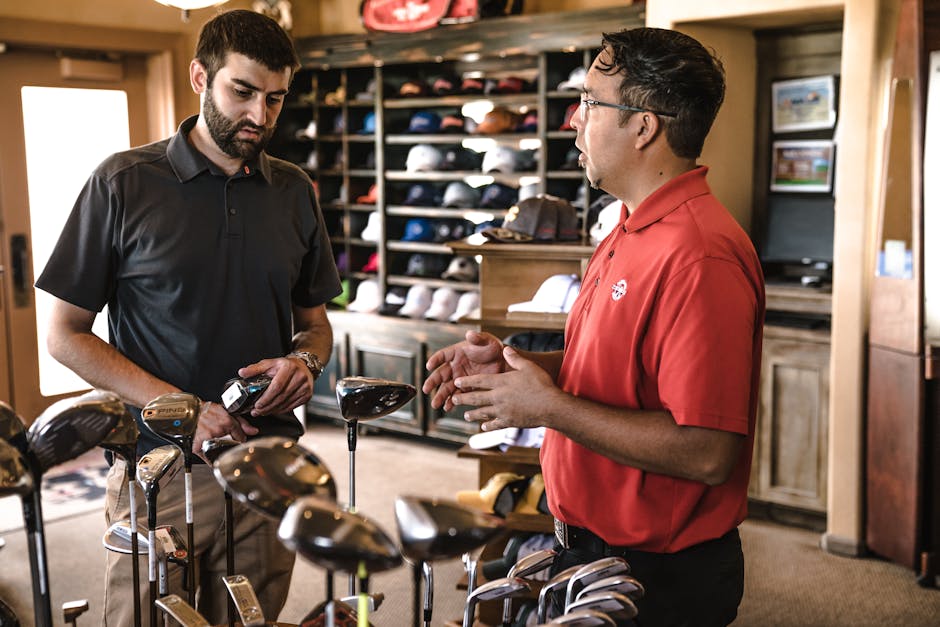
Whether you’re a seasoned golfer chasing lower handicaps or a weekend warrior enjoying the picturesque greens around Mechanicsburg, PA, chances are you’ve noticed a surge in golf simulators—both in local shops and private homes. These high-tech set-ups aren’t just for rainy days or off-seasons. They’re powerful resources to accurately track progress, build better habits, and make every round on Armitage or Liberty Forge more satisfying.
In this article, we’ll explore how to really use the data from golf simulators to track improvement, set meaningful goals, and take your Mechanicsburg golf experience to the next level.
Why Mechanicsburg Golfers are Turning to Simulators
Mechanicsburg’s family-friendly atmosphere, active community, and steadily growing golf culture offer plenty of opportunities to tee it up. But with unpredictable Pennsylvania weather and busy schedules, golfers here are embracing simulators to keep swings sharp year-round. Local golf shops and entertainment venues now commonly feature state-of-the-art simulator bays, making data-driven practice accessible to all skill levels.
For those living in Mechanicsburg, home simulators are also an increasingly popular way to practice at your convenience—no need to drive out to the range or wait for a spot on the putting green during the busy season.
What Kind of Data Do Golf Simulators Provide?
Today’s simulators offer much more than a virtual driving range. They capture vast amounts of data, including:
- Clubhead speed
- Ball speed
- Launch angle
- Spin rates (backspin & sidespin)
- Carry distance and total distance
- Swing path and face angle
These metrics are tracked for every club in your bag. By consistently reviewing your data, you can pinpoint strengths, weaknesses, and subtle changes in your game over time.
How to Use Simulator Data to Track Progress
1. Establish a Baseline
Before diving into advanced analytics, dedicate one or two sessions to collecting “baseline” stats for each club. Swing as you normally would and record averages for:
- Carry and total distance
- Accuracy (offline distance and direction)
- Ball speed and launch conditions
Mechanicsburg golfers could even compare their performance to friends at local shops or benchmark against averages for their age group.
2. Set Specific, Measurable Goals
It’s easy to say, “I want to hit my 7-iron farther,” but simulators give you the detail to set more specific targets. For example:
- Goal: Increase 7-iron carry distance from 135 yards to 145 yards within 2 months.
- Goal: Improve fairway wood launch angle consistency (targeting an average of 13-15 degrees).
Make note of your progress after each session at the simulator, whether it’s at home or your favorite Mechanicsburg golf shop.
3. Track Over Time for Real Improvement
By returning to the simulator regularly, you can monitor trends in your swing and ball flight. Are you increasing clubhead speed? Is your contact more consistent? Did small changes in grip or stance in your lessons translate to better accuracy or distance?
- Use built-in dashboards or download data after each session.
- After a month, look for subtle shifts—like consistently higher launch angles or tighter shot dispersion.
- Document changes and review with a local pro if you’re unsure how to proceed.
4. Break Down the Numbers: Beyond Distance
Distance is great, but improvement often happens in the details. Simulators make it easy to zero in on pattern and consistency:
- Spin Rate: Is too much backspin causing shots to balloon or fall short? Is sidespin making your ball slice or hook?
- Dispersion: Are your misses clustered left or right? Simulators plot “spray charts” that help you see tendencies.
- Smash Factor: This ratio (ball speed divided by clubhead speed) is a quick way to spot progress in hitting the sweet spot.
Mechanicsburg’s changing weather makes winter an ideal time to deep-dive into these numbers and refine your swing indoors, before testing the results out at local courses in spring.
Real-World Example: Using Simulator Data Between Rounds
Imagine you notice a persistent hook with your driver at Armitage. You head to a Mechanicsburg golf shop’s simulator and review your swing data. The system shows your club path is excessively inside-out and your face angle is closed at impact. Using slow-motion replay and immediate feedback, you work on small swing adjustments and see your side spin decrease, ball flight straighten, and confidence rise—all before your next tee time.
Making the Most of Local Resources
Mechanicsburg has no shortage of options for golfers looking to get smart about their data:
- Golf retail shops and training centers often rent simulator bays by the hour. Staff can help interpret your data.
- Local leagues and winter clinics now incorporate simulator sessions.
- Community golf nights at bars and entertainment complexes often blend simulated play with friendly competition.
By taking advantage of these opportunities, you become part of a community that values improvement and year-round fun—hallmarks of the Mechanicsburg lifestyle.
Tips for Mechanicsburg Golfers Using Simulators
- Record and organize your data—many simulators offer apps or USB download options.
- Ask for a printed report after sessions at local shops to track long-term progress.
- Use winter downtime to experiment with club fitting and grip changes in the simulator environment.
- Share data and progress with Mechanicsburg instructors, who can tailor lessons to your most impactful needs.
Conclusion: Data Doesn’t Lie—But It Needs Action
Golf simulator data can’t play rounds for you, but it removes guesswork and helps you focus practice where it counts. For Mechanicsburg’s passionate golf community—balancing bustling workweeks with recreation—simulators offer a smart, social, and systematic way to get better, with results you can see on the scorecard come spring.
By embracing the numbers, setting realistic goals, and tapping into local resources, you’ll turn simulator data into a secret weapon for progress, pride, and more memorable days on the course.