

 See My Latest Article on HelloNation
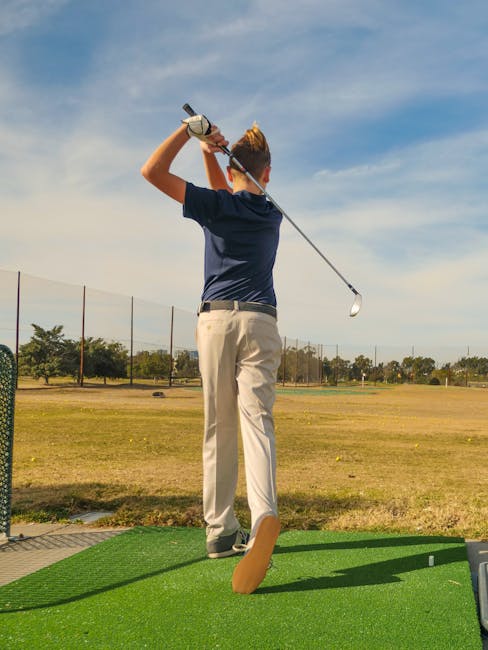
Why Does Follow-Through Matter in Golf?
A golf swing doesn’t end at impact—what happens afterward, known as follow-through, plays a major role in your shot’s success and your overall feel on the course. Many residents in Mechanicsburg, PA, wonder why coaches and simulators emphasize this final phase. In essence, a solid follow-through ensures the momentum and mechanics of the swing are properly directed, promoting accuracy, distance, and consistency.
Without an effective follow-through, even well-struck shots can veer off course, lose distance, or cause discomfort over repeated rounds. The motion after impact acts as a check on everything that came before, revealing the true path and quality of your swing.
What Actually Happens During Follow-Through?
After the ball leaves the clubface, your hands, arms, torso, and lower body continue moving. This is not just a stylistic finish—biomechanically, it’s a natural result of proper momentum transfer and energy flow.
- The upper body unwinds, leading to a full shoulder rotation facing the target.
- The weight continues to shift toward the front foot, allowing a controlled deceleration.
- Hands finish high, and the club points down the target line, reflecting a balanced, rhythmic swing.
Local golfers sometimes notice that poor follow-through, such as “stopping” the swing or collapsing posture, often reveals early signs of tension or misalignment in earlier swing stages.
What Are Common Follow-Through Mistakes Seen in the Community?
Mechanicsburg golfers of all levels frequently ask why their shots slice, hook, or fall short even when impact feels solid. Examining follow-through often reveals the cause.
Some common pitfalls include:
- “Cutting off” the follow-through, stopping abruptly or twisting off balance.
- Letting the club finish low and across the body rather than high and extended.
- Overusing arms and hands while the body remains static, causing inconsistent contact.
- Leaning backward or falling away from the shot, often due to poor weight transfer.
Indoor winter play in the city, especially in simulators, sometimes leads to habits like decelerating out of worry for ceiling height or hitting nets—this can affect on-course performance later.
How Can Local Golfers Practice Better Follow-Through?
Improving follow-through often requires attention to the entire swing. Residents of Mechanicsburg commonly benefit from focused drills, whether during outdoor practice or indoor simulation on colder days.
Simple, effective approaches include:
- Slow-motion swings, exaggerating the full finish until all weight is on the front foot and balance is secure.
- Pausing at the end of each practice swing, checking that chest faces the target and the back heel is off the ground.
- Video feedback, using a phone or simulator feature, helps visually confirm whether the swing path and finish match expectations.
Additionally, mechanics such as clearing the hips and keeping posture upright are more easily monitored indoors—making winter months ideal for reinforcing good habits before returning to area courses.
Does Weather or Local Conditions in Mechanicsburg Affect Follow-Through?
Seasonal changes and local golf course conditions do play a role. Early season rounds in Mechanicsburg, with damp grass or softer ground, can tempt golfers to “hold back” or finish short, fearing slips or heavy contact. Similarly, windier days encourage players to manipulate their swings for control, sometimes shortening follow-through for punch shots.
Comfortable footwear with good traction and layered clothing that doesn’t restrict motion can help maintain natural finishing positions throughout the year, even during unpredictable weather typical in the region.
What Myths Exist About the Follow-Through?
Residents sometimes hear that follow-through is “just for show” or that the ball is already gone, so nothing after impact matters. This is a common misconception. While it’s true that the ball is airborne at this point, the body and club’s momentum through the finish reflect whether the swing sequence worked as intended. It can also highlight flaws that caused mishits before impact happened.
Another myth is that every golfer’s follow-through must look textbook-perfect. Body type, flexibility, and swing style can affect the appearance of a good finish. What matters locally is comfort, balance, and a finish that reflects positive mechanics rather than strict aesthetics.
How Can Golf Simulators Help with Follow-Through?
For area households making use of golf simulators, these systems can be a valuable tool for checking movement after impact—especially during the region’s colder months. Many residents use video review, data feedback, and slow-motion playback to monitor where their finish position diverges from their intentions.
Key checks using simulators:
- Comparing actual swing finish to target path and expected ball flight.
- Addressing repeated imbalance at the end of the swing, which can indicate earlier issues.
- Reinforcing a confident, full finish even when hitting into nets or screens, to carry habits effectively onto outdoor courses in Mechanicsburg.
Focusing on these aspects during simulated practice helps maintain consistency and readiness for spring, minimizing the adjustment period when returning to outdoor play.
What’s the Best Way to Self-Check Your Follow-Through?
Practical, everyday self-assessment can be simple and effective for Mechanicsburg residents. After a few swings—indoors or out—pause and ask:
- Did my weight finish on the front side?
- Am I balanced enough to hold this finish momentarily?
- Is my chest and belt buckle facing toward the target area?
- Does my club finish high and pointed in the direction I intended the ball to go?
If balance is lost or the body faces away from the intended target, reviewing mechanics earlier in the swing can help. Local golfers often find that focusing on balance rather than power leads to lasting improvement in both follow-through and results.