

 See My Latest Article on HelloNation
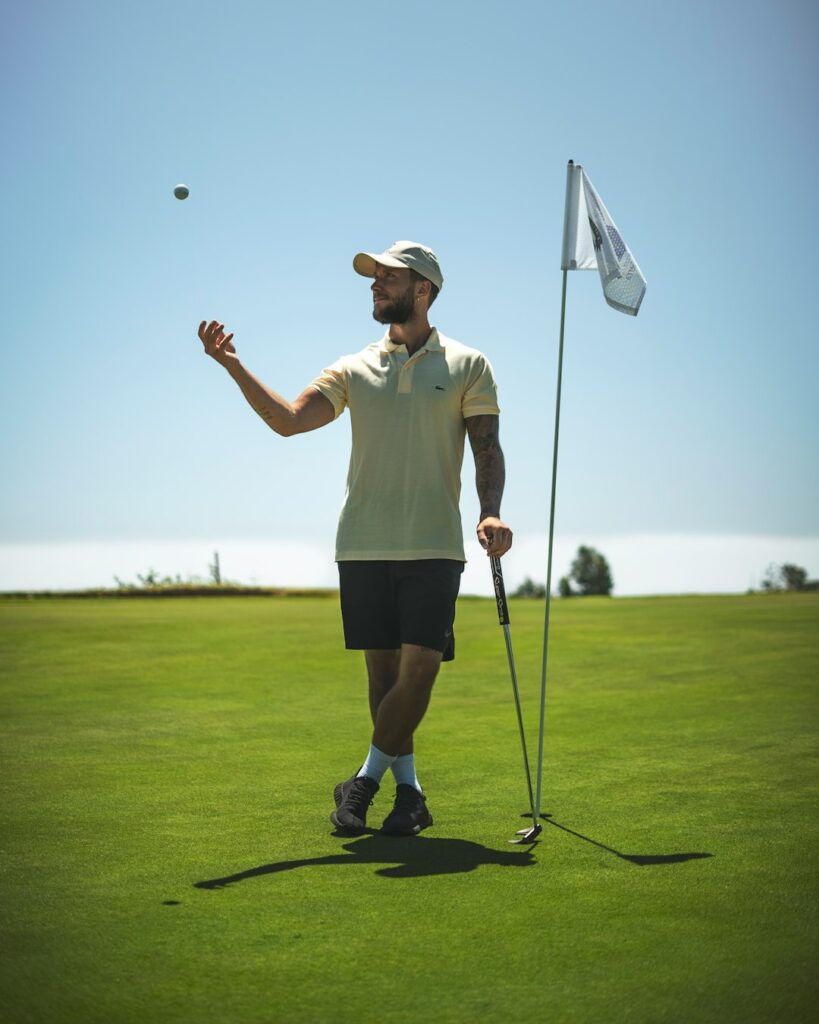
Why Do Your Eyes Matter for Golf Aim?
Effective golf aim starts with the eyes. Every shot, whether on the driving range or local fairways, relies on precise visual alignment. Golfers in Mechanicsburg, PA often focus on swing mechanics but overlook how the eyes process target lines and distance. The ability to consistently aim at targets and visualize ball flight plays a significant role in shot accuracy, especially on the varied terrain and tree-lined courses common in the area.
What Visual Skills Are Involved in Accurate Golf Aim?
Accurate aim requires a combination of visual perception, depth judgment, and focus control. Here’s how each relates to the game:
- Alignment Awareness: Seeing and confirming the relationship between shoulders, clubface, feet, and intended target.
- Depth Perception: Judging how far the green, hazards, or pins actually are—affected by elevation changes and local landscape.
- Central and Peripheral Vision: Tracking alignment with the ball while maintaining awareness of the larger target area.
- Hand-Eye Coordination: Syncing what you see with how your body moves, crucial during both setup and swing.
Many area golfers believe good vision alone is sufficient, but these skills go beyond what a standard vision test covers.
How Can You Train Your Eyes for Golf Aim Around Mechanicsburg's Courses?
Start with practical routines you can fit into practice sessions, whether in local simulators or on grass:
1. Gate Drills for Alignment
Set two alignment rods or clubs parallel to your target line at club-head width apart. Practice aiming your stance and clubface through the "gate." Step back and visually check: is your body lined up with the gate and the target, or do you instinctively aim left or right?
2. Spot Aiming
Pick a spot just a few feet in front of your ball on the intended target line, like a tuft of grass or leaf. Focus your eyes on that spot during setup, and align the clubface to it. This simplifies the aiming process and trains your eyes to see the correct angle.
3. Peripheral Awareness Exercises
On the practice green or at home, look straight at the hole while holding out your club to either side. Without moving your eyes, note how well you can sense the club’s angle in your peripheral vision. This helps during full swings when it’s tempting to “peek” early at the target instead of trusting where you're aimed.
4. Distance and Depth Judgement Practice
Mechanicsburg’s undulating courses often have uphill greens and tree shadows that alter depth cues. Practice by estimating distances before checking with a rangefinder—jot down your guess, then verify. Over time, your eyes adapt to the subtleties of the local landscape.
What Common Visual Mistakes Affect Local Golfers?
Several visual habits lead to missed targets or off-center shots—often unrecognized:
- Relying on the driving range’s straight lines rather than practicing with scattered targets, as encountered on local courses.
- Aiming by instinct rather than using reference points, especially in foggy or overcast conditions common in Pennsylvania’s spring and fall.
- “Tunneling” vision—focusing solely on the ball and losing awareness of body alignment to the target.
- Letting fatigue or glare affect concentration, particularly during hot, sunny afternoons.
Awareness of these tendencies is the first step to correction.
How Does Seasonal Light and Weather in Mechanicsburg Affect Golf Aim?
Mechanicsburg’s variable weather and shifting daylight across seasons impact visual performance on the course. Bright summer days can wash out depth cues, while autumn’s lower sun angles cast longer shadows that can trick the eyes. Overcast and foggy mornings further challenge visual clarity. Local golfers can adapt with simple techniques:
- Practice scanning target lines under different light conditions during casual rounds.
- Wear caps or visors to reduce glare but avoid overly dark sunglasses that distort color and depth.
- Dry, windy days might require extra focus on spot aiming due to moving leaves and grass that obscure target markers.

Are There At-Home Exercises to Build Visual Skills for Golf?
Training doesn't need to end at the course or simulator. Residents can strengthen their eyes for golf using these at-home ideas:
- Focus Shifts: Hold a small object at arm’s length, then quickly shift your focus between it and a distant point (like a tree outside). Repeat for a minute daily to build fast focus adjustment.
- Line Tracing: Use painter’s tape to make straight lines on your floor. Walk alongside while tracking the line visually, varying your head angle to mimic on-course turf variations.
- Mirror Alignment: Set up with a club indoors, using a full-length mirror to check shoulder and hip alignment without looking down. This helps train your eyes to recognize correct posture and alignment from above the ball.
These simple exercises do not require special equipment and can be added to nightly routines.
Can Simulators Help Train Visual Aim?
Golf simulators offer more than just swing metrics. Their visual environments let area golfers practice aiming with instant feedback, even when weather or daylight prevent outdoor play. Simulators challenge perception of depth and angle by presenting virtual targets at varying distances and elevations. Local residents can benefit by:
- Practicing with randomized target placements rather than predictable center-line shots.
- Reviewing replays to assess whether visual alignment matched ball flight outcomes.
- Using simulator settings to mimic seasonal light levels or types of grass common to area courses.
Virtual training complements outdoor experience and sharpens awareness for all skill levels.